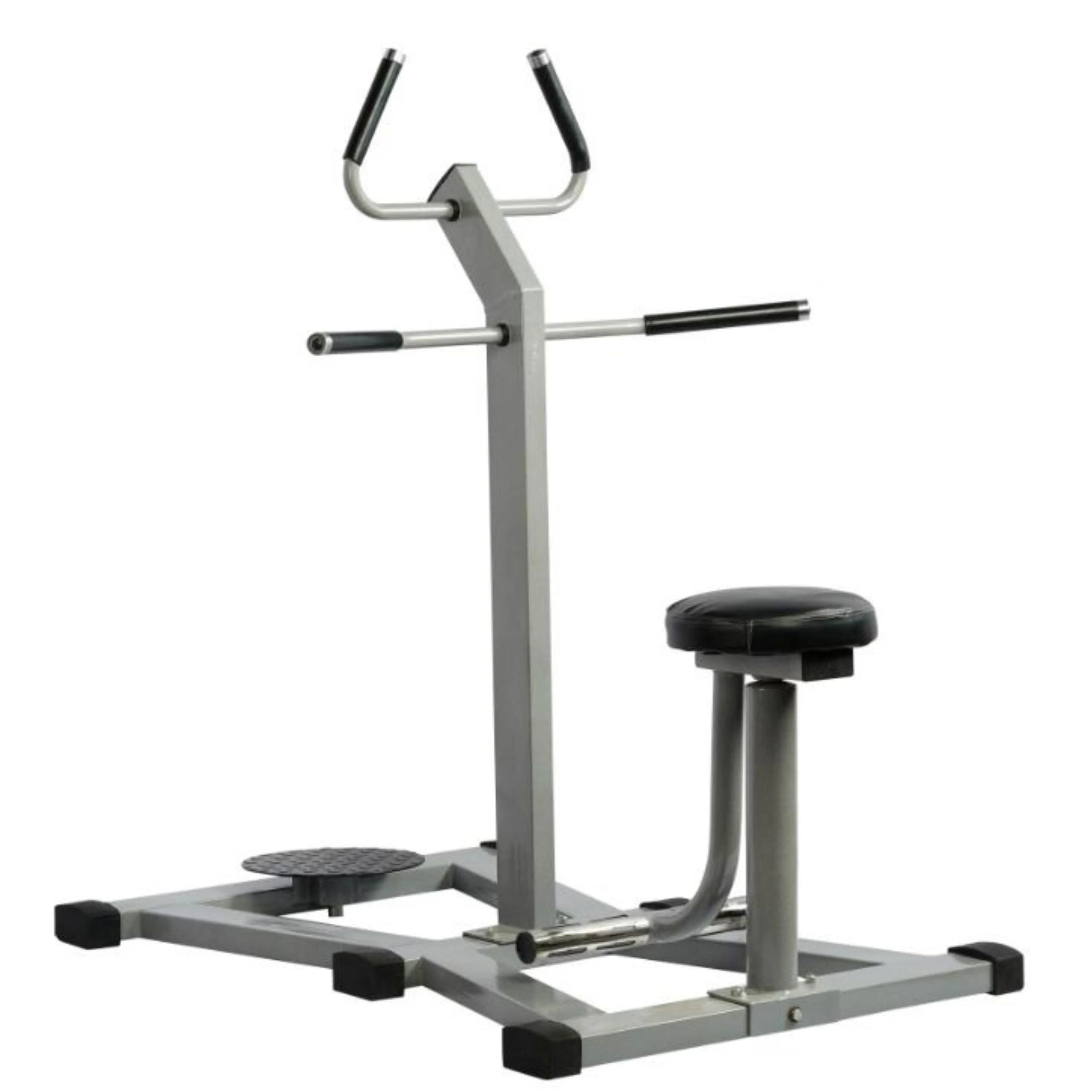
BODYTEC DOUBLE TWISTER (STANDING + SEATED CORE ROTATOR)
Twist smart - Sculpt waist
- Dual-mode design: one compact unit for standing + seated core work.
- Smooth 360° rotation on sealed bearings.
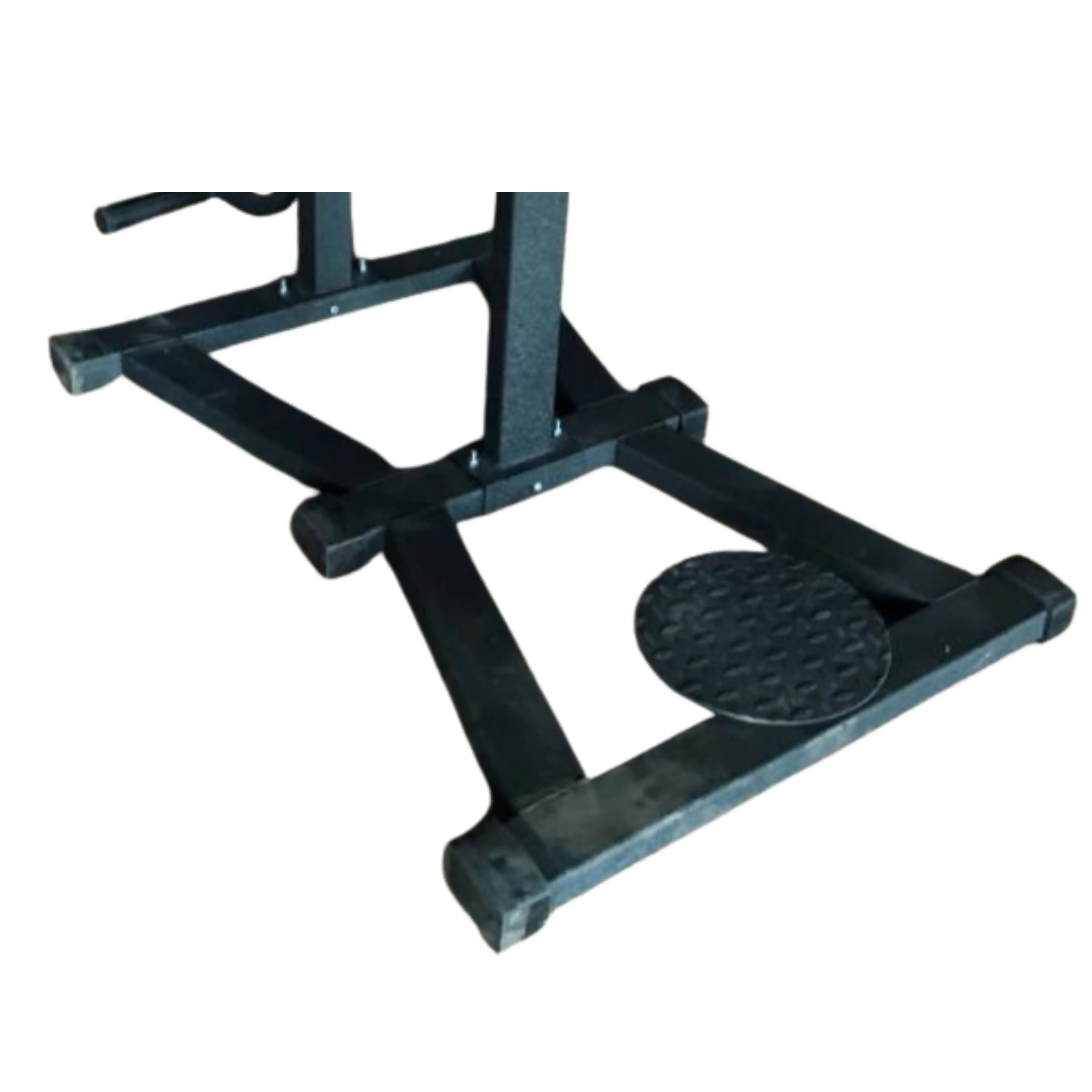
- Stability everywhere: wide X-base, non-slip disc, soft-grip handles.
- Low maintenance: no cables; quick wipe-down surfaces.
- All-ability friendly: supports beginners, seniors, group classes, and cardio-floor circuits.
- Two sets of handles:
- Upper V-handles for upright/standing support.
- Mid horizontal bars for seated users or beginners needing extra balance.
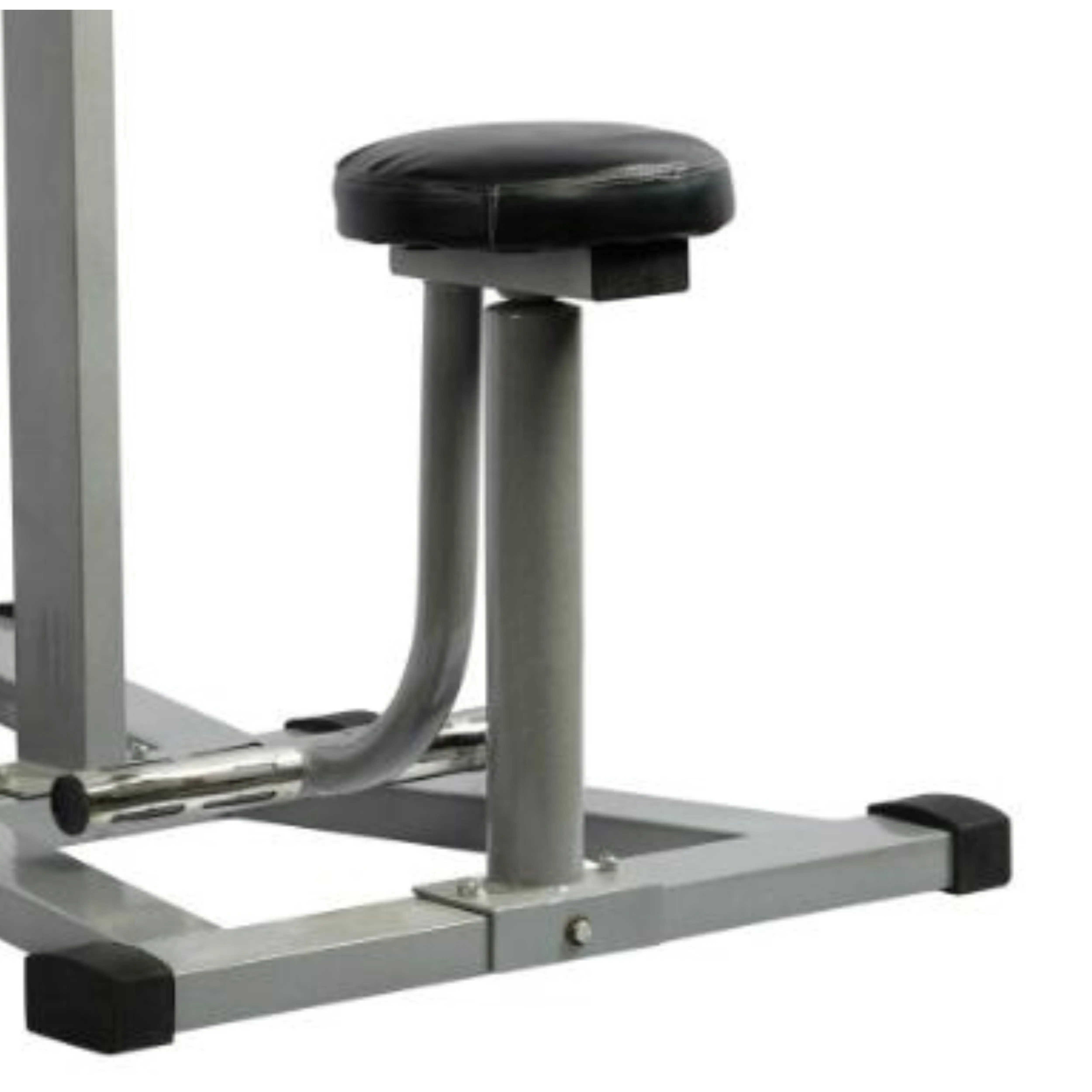
- Bearings & build: steel square-tube chassis with cross-brace X-frame; sealed bearing housings under both the disc and seat for smooth rotation; rubber foot caps protect flooring.
- Ergo details: soft-grip sleeves, seat height set for neutral hip angle, low step-over height, powder-coat finish.
Biomechanics
- Primary motion: controlled transverse-plane trunk rotation.
- Muscle focus: external & internal obliques, transversus abdominis (bracing), multifidus & erectors (anti-rotation control), hip rotators as stabilizers.
- Training effect: improves core endurance, lumbo-pelvic control, and thoracic mobility with very low joint impact—ideal for warm-ups, active recovery, and gen-pop fat-loss zones.
Exercises you can perform
- Standing torso twists holding the V-handles (beginner-friendly).
- Hands-free standing twists (advanced balance).
- Seated waist twists with light torso lean for oblique emphasis.
- Pulse-range twists (small ROM burn sets).
- Isometric anti-rotation holds (stop mid-range, hold 5–15 s).
- Tempo breathing sets (exhale on rotation, inhale back to center).
- Programming notes: 2–4 sets × 20–40 controlled reps or 30–60 s time sets; keep hips square, move from ribs, not knees.
Targeted-muscle
Primary (movement drivers)
- External obliques – main rotators (contralateral).
- Internal obliques – assist rotation (ipsilateral).
- Transversus abdominis – deep brace/anti-rotation.
- Rectus abdominis – assists as an anti-extension brace during twists.
Secondary (spinal control & return)
- Multifidus, rotatores, erector spinae – segmental control, decelerate/return from rotation.
- Quadratus lumborum – lateral stability of the lumbar spine.
- Intercostals & serratus anterior – rib cage rotation support.
Stabilizers (vary by station)
- Standing disc:
- Gluteus medius/minimus, TFL, adductors – pelvis/hip stability.
- Hip rotators (internal & external) – resist unwanted hip turn.
- Calves (soleus/gastrocnemius), tibialis posterior/peroneals – ankle balance.
- Scapular stabilizers (mid/lower traps, rhomboids) & forearm flexors/extensors – when gripping handles.
- Seated disc:
- Lower-limb stabilizer demand drops, so emphasis shifts more to obliques + deep core (TVA, pelvic floor/diaphragm synergy for bracing).
- Small, controlled ROM → deeper oblique burn, safer on lumbar spine.
- Hands free / light grip (standing) → increases demand on hip/ankle stabilizers.
- Light torso lean (seated) → slightly more oblique recruitment.

Bodytec Fitness Equipment Company - Manufacturer of Gym Equipment, Commercial Gym Equipment & Fitness Equipment from Jaipur, Rajasthan, India.